Applications Now Open for the 2026 Mano River Union School on Internet Governance and Emerging Technologies — Organizers Issue Global Appeal for Partnership and Support
MONROVIA, Liberia — As the world races toward an increasingly digital future, one of West Africa’s most promising capacity-building initiatives has thrown open its doors — and issued an urgent call to the global community to help keep them open. The Mano River Union School on Internet Governance and Emerging Technologies (MRU SIG) has officially announced that applications are now open for its 2026 edition, even as organizers appeal to international donors, development partners, technology companies, and the global Internet governance community for the funding and technical support needed to sustain and expand the School’s growing impact.
Serving the four member states of the Mano River Union — Liberia, Sierra Leone, Guinea, and Côte d’Ivoire — the MRU SIG was established with a singular mission: to build a new generation of Internet governance leaders equipped to shape digital policy in one of the world’s most underserved and underrepresented sub-regions. Through intensive training in Internet governance, digital rights, cybersecurity, data protection, artificial intelligence, and emerging technologies, the School prepares young professionals, civil society advocates, technologists, policymakers, and academics to take their seats at national, regional, and global decision-making tables.
The stakes could hardly be higher. Across the Mano River basin, Internet penetration remains among the lowest in the world, with connectivity rates in some areas falling well below the continental average. The cost of data continues to consume a disproportionate share of average monthly income, placing meaningful access out of reach for millions. Digital literacy gaps leave citizens vulnerable to misinformation and online exploitation, while under-resourced institutions struggle to respond to escalating cybersecurity threats. Perhaps most consequentially, the sub-region remains chronically underrepresented in the global forums — from the Internet Governance Forum (IGF) to ICANN and the Internet Society (ISOC) — where the rules of the digital age are being written.
“The decisions shaping the future of the Internet are being made right now, and too often they are being made without voices from our sub-region in the room,” said Peterking Quaye , Coordinator of the MRU IGF. “Every fellow we train is a future negotiator, regulator, advocate, or innovator who will ensure that West Africa is not merely a consumer of digital policy, but a co-author of it. That is what the world’s investment in this School buys — genuine representation.”
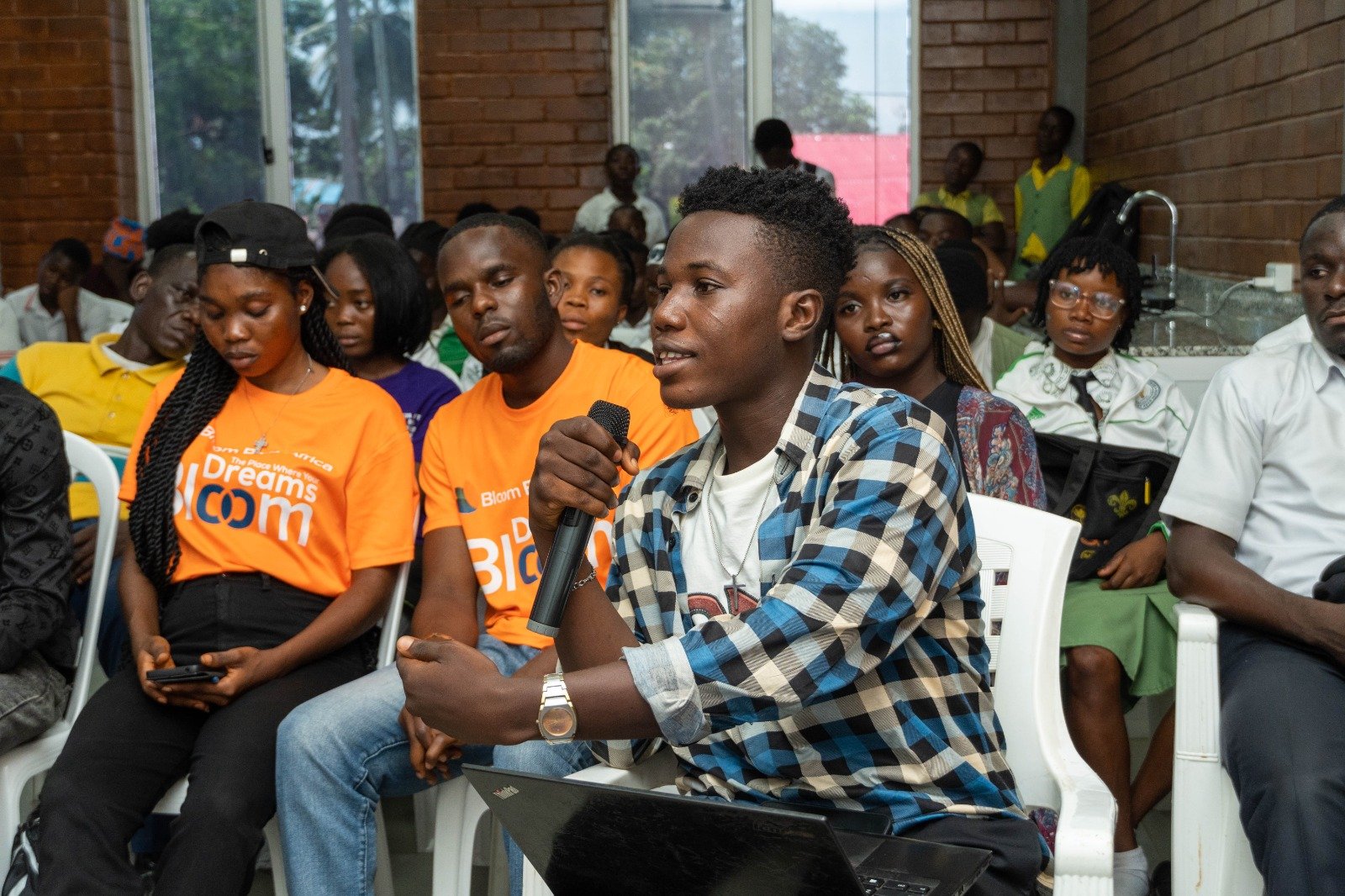
Since its inception, the School has trained more than 150 fellows drawn from government, the technical community, civil society, academia, media, and the private sector across all four MRU countries. Alumni have gone on to participate in national and regional IGF processes, contribute to data protection and cybersecurity policy discussions in their home countries, and represent the sub-region at continental and global Internet governance gatherings. The School has built working partnerships with regional and international partners — ISOC chapters, national regulators, universities, and civil society networks, anchoring its multistakeholder model in the very communities it serves.
But ambition has outpaced resources. Demand for places at the School far exceeds capacity, with many qualified applicants turned away each cycle for lack of funding. Organizers say the 2026 edition — expanded to cover emerging technologies including artificial intelligence and digital public infrastructure — represents both the School’s greatest opportunity and its greatest test.The appeal to the global community is specific. The School is seeking financial contributions to underwrite the 2026 cohort; sponsored fellowships and travel scholarships to enable participation by candidates from rural and underserved communities, with deliberate attention to gender balance; expert faculty and visiting trainers from the global Internet governance ecosystem; laptops, equipment, and learning materials; and connectivity sponsorship to guarantee reliable Internet access throughout the training. Partners can also support alumni engagement, mentorship programs, and pathways for fellows to attend regional and global forums.
“For the cost of a single conference booth, a partner can fully sponsor several fellows whose work will ripple across four countries for decades,” said [Name], Chairperson of the MRU SIG Organizing Committee. “We are not asking the world for charity. We are inviting the world to invest in the people who will secure, govern, and grow the digital future of the Mano River Union.”
Prospective fellows from Liberia, Sierra Leone, Guinea, and Côte d’Ivoire are encouraged to apply now for the 2026 edition, while donors, foundations, technology companies, and institutional partners are invited to contact the organizing committee directly to discuss funding, fellowship sponsorship, faculty contributions, and in-kind support. To apply, partner, or contribute, visit [www.mrusig.org] or write to [admission@mrusig.org]. The future of digital leadership in West Africa starts here — and it starts with those who choose to invest in it today.